





California’s Clean Air Vehicle Decal Program Has Ended — What Fontana Drivers Need to Know
California’s Clean Air Vehicle (CAV) decal program officially ended on September 30, 2025, removing solo HOV lane access for roughly 500,000 drivers statewide. If you’re commuting through Fontana, San Bernardino, Riverside, or anywhere in the Inland Empire, here’s what changed, what the rules are now, and how to adjust.
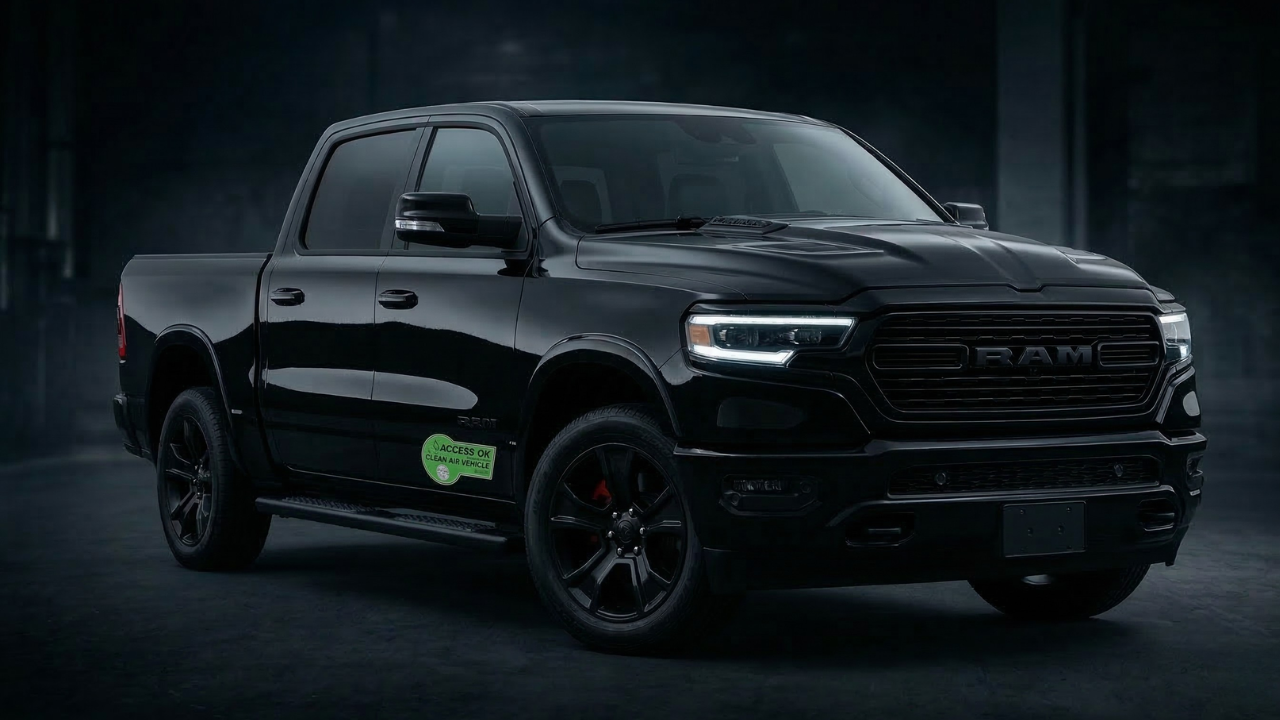
What Happened to the CAV Decal Program?
The CAV decal program was established in 1999 to encourage adoption of low-emission vehicles by granting them solo access to California’s High-Occupancy Vehicle (HOV) lanes. For over two decades, drivers of qualifying electric, plug-in hybrid, and hydrogen fuel cell vehicles could bypass carpool lane occupancy requirements — a meaningful time-saver on congested Southern California freeways.
The program operated under federal authority granted through Section 166 of Title 23 of the U.S. Code. California passed legislation to extend the program through 2027, but the federal government did not approve the extension. Without that authorization, all CAV decals became invalid at midnight on September 30, 2025, regardless of when they were issued. The DMV had already stopped accepting new decal applications on August 29, 2025.
The California Highway Patrol initially provided a 60-day enforcement transition period through November 30, 2025. That window has closed — full enforcement of HOV occupancy rules is now active statewide.
Current HOV Lane Rules for California Drivers
As of October 1, 2025, all vehicles must meet posted occupancy requirements to use HOV lanes. Solo drivers in electric or hybrid vehicles no longer have any exemption. The standard requirement is at least two occupants, though some corridors require three during peak hours.
HOV lanes in Southern California — including those on the I-10, I-15, and SR-210 corridors near Fontana — operate 24 hours a day, seven days a week. Expired CAV decals do not provide any legal protection, even if they’re still physically on your vehicle.
Drivers should pay close attention to posted signage, as occupancy requirements and enforcement hours can vary by corridor.
Penalties for HOV Lane Violations
The consequences for unauthorized solo driving in HOV lanes are significant. The minimum fine for a first-time violation is $490, and additional court and county fees can push the total higher. Repeat offenses may result in escalated penalties.
The California Highway Patrol actively monitors HOV lanes through visual observation and increasingly through camera-based enforcement systems. Officers check passenger counts and the presence of valid decals — and expired CAV stickers no longer count.
Enforcement also extends to express lanes. Solo drivers who use toll lanes without paying through a FasTrak transponder face separate fines.
$490 Minimum Fine
First-time HOV violations start at $490 before additional court and county fees.
Active Enforcement
CHP monitors HOV lanes through patrols and camera-based systems statewide.
No Exceptions
Expired CAV decals provide zero legal protection — enforcement applies to all solo drivers.
Express Lanes and Alternative Commute Options
With solo HOV access gone, Fontana-area drivers have several practical alternatives.
Express lanes (also called High-Occupancy Toll lanes) allow solo drivers to pay a variable toll for access. Tolls fluctuate based on congestion and time of day, and a FasTrak transponder is required. Note that EV owners must now pay the full toll rate — CAV-related discounts have ended along with the decal program.
Carpooling remains the most straightforward way to use HOV lanes legally. Employer-sponsored ride-sharing programs and community carpool networks can connect you with commuters on similar routes in Rancho Cucamonga, San Bernardino, and Riverside.
Public transit options like Metrolink and local bus services offer reliable alternatives for commuters traveling to major employment hubs from the Inland Empire. Flexible work arrangements, including telecommuting and adjusted schedules, can also reduce peak-hour travel.
What Other Clean Vehicle Incentives Still Exist?
While solo HOV access is gone, California still offers financial incentives for clean vehicle buyers. Federal tax credits remain available for qualifying EVs, and programs like Clean Cars 4 All provide assistance for lower-income Californians replacing older vehicles with cleaner options. Some regional utilities also offer rebates for EV purchases or home charging station installation.
Incentive programs change frequently, so verify current eligibility through official California Air Resources Board resources or by speaking with a knowledgeable sales team before purchasing.
Frequently Asked Questions
Can I still use the carpool lane with my electric vehicle?
Only if you meet the posted occupancy requirement — typically two or more passengers. Solo access for EVs ended on October 1, 2025.
What is the fine for driving solo in the HOV lane?
The minimum fine is $490. Additional court and county fees can increase the total, and repeat offenders face higher penalties.
Do I have to remove my expired CAV decal?
No, but it’s recommended. The decal no longer provides any legal benefit and may cause confusion during traffic stops.
Are there any remaining ways to drive solo in HOV lanes?
Solo drivers can pay to use express lanes (toll-based HOV lanes) with a FasTrak transponder. Motorcycles also remain exempt from HOV occupancy requirements.
For drivers exploring vehicle options that fit today’s regulations, Fontana Chrysler Dodge Jeep Ram offers a selection of new vehicles designed for efficiency and capability. Visit us at 16263 S Highland Ave, Fontana, CA 92336 or call (909) 675-1186 to learn more.
0 comment(s) so far on California’s Clean Air Vehicle Decal Program Has Ended — What Fontana Drivers Need to Know