




Frequently Asked Questions About Financing at Fontana Chrysler Dodge Jeep Ram
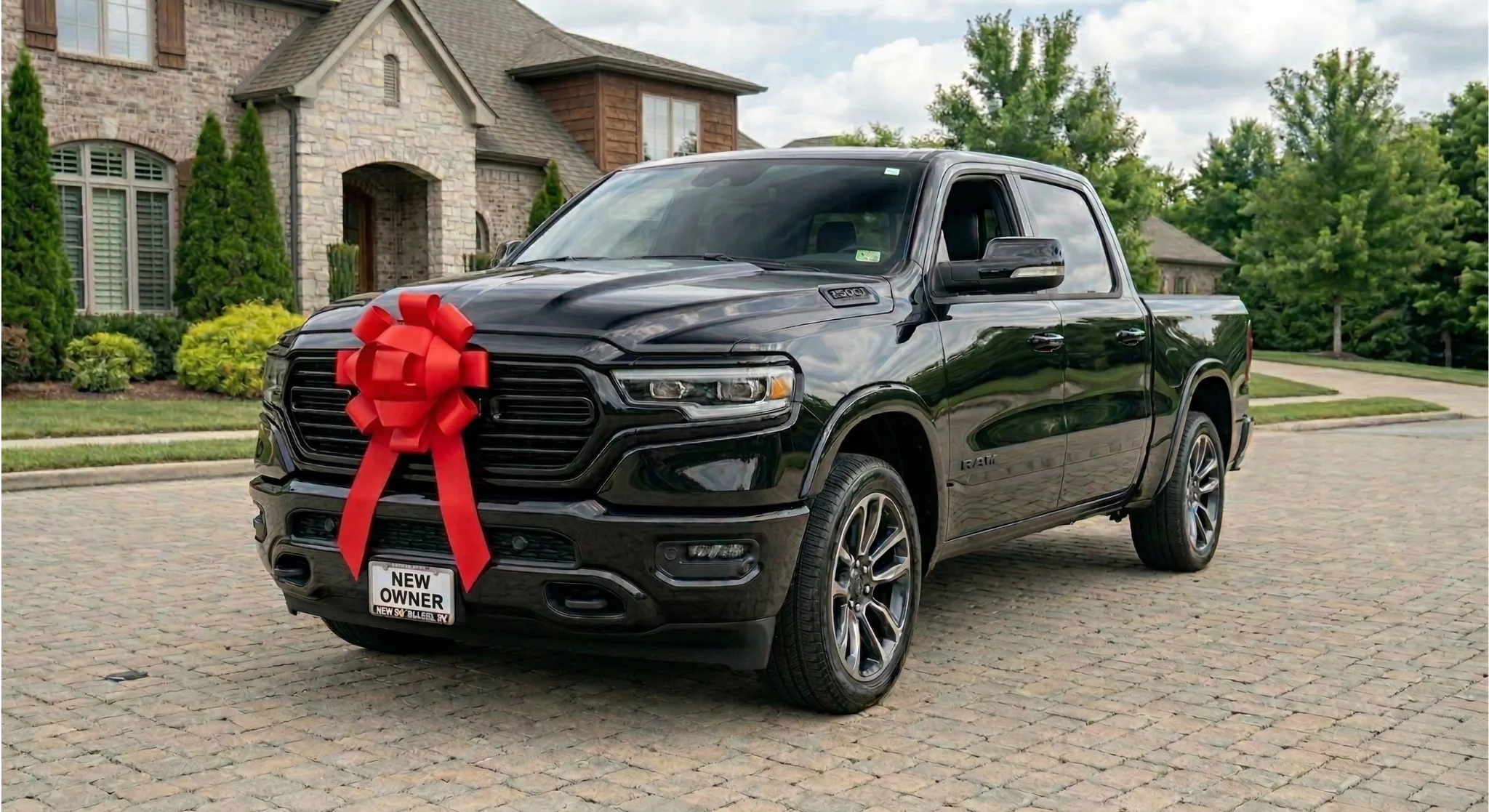
Auto loan interest rates play a significant role in determining the overall cost of a vehicle purchase. Whether financing a new Jeep, Chrysler, Dodge, or RAM — or a quality pre-owned vehicle — understanding how rates work and what factors influence them helps buyers in Fontana, Riverside, and San Bernardino make confident decisions at the dealership.
Interest rates on auto loans are shaped by a combination of economic factors including Federal Reserve policies, inflation trends, and market demand for vehicles. While rates fluctuate over time, the fundamentals of securing a competitive rate remain consistent: strong credit, smart loan term selection, and comparing offers from multiple sources.
New vehicle loans generally carry lower interest rates than used vehicle loans. Lenders view new cars as lower-risk collateral due to their higher value, manufacturer warranties, and slower initial depreciation compared to older vehicles. Used car loans typically carry higher rates because lenders factor in the increased risk associated with older vehicles and shorter loan durations. Buyers considering used vehicles should weigh these higher borrowing costs carefully, especially since used car prices have remained elevated in recent years.
While national averages provide a useful benchmark, individual loan rates vary significantly based on personal credit profiles, loan terms, and the lending institution. Borrowers with strong credit scores and stable incomes generally secure more favorable rates, while those with lower credit scores may face substantially higher APRs that affect monthly budgets and long-term financial plans.
For buyers in Rancho Cucamonga and Claremont, getting pre-approved for financing before visiting a dealership is one of the most effective strategies available. Pre-approval empowers buyers to negotiate more effectively and provides a clear picture of what monthly payments will look like before committing to a vehicle.
Frequently Asked Questions About Auto Financing
How Does GAP Insurance Protect Vehicle Financing?
GAP insurance — Guaranteed Asset Protection — covers the difference between what an insurance company pays out after a total loss or theft and the remaining balance on an auto loan. Because vehicles depreciate rapidly, especially in the first few years, a standard insurance payout based on actual cash value may fall short of the outstanding loan balance. GAP insurance bridges that shortfall, preventing the borrower from paying off a loan on a vehicle they no longer have.
This coverage is especially valuable for buyers who finance with low down payments, choose longer loan terms, or purchase vehicles that depreciate quickly. Without GAP insurance, a significant gap between the vehicle’s depreciated value and the loan balance could create unexpected financial strain.
GAP insurance is typically offered through the dealership’s finance department during the loan process. Buyers exploring new Jeep, Chrysler, Dodge, or RAM vehicles — or browsing pre-owned inventory — should ask about GAP coverage as part of their financing plan. It provides peace of mind knowing the investment is protected against circumstances that could otherwise leave a borrower owing money after a total loss.
What Should Buyers Know About Down Payments for New Vehicles?
Financial experts generally recommend a down payment of around 20% of the vehicle’s purchase price. This reduces the loan principal, lowers the total interest paid over the life of the loan, and can improve approval chances for better loan terms.
For many buyers around Fontana and Riverside, 20% is not always feasible — but even a smaller down payment makes a meaningful difference. A 10% down payment still reduces monthly payments and total interest, though it may result in a slightly higher loan-to-value ratio, which lenders consider when setting rates.
Down payment size also affects vehicle equity. New vehicles lose value quickly in the first few years, so a larger down payment reduces the risk of owing more than the vehicle is worth. This is particularly important when financing a Jeep, Chrysler, Dodge, or RAM, as it protects against negative equity situations that complicate future trade-ins or refinancing.
Beyond the down payment, buyers should budget for taxes, registration fees, and dealer charges. A larger down payment can also qualify borrowers for better interest rates by lowering the lender’s risk — a factor that makes a noticeable difference in total loan cost over time.
Leasing Versus Financing — Which Option Fits?
The choice between leasing and financing depends on financial goals, driving habits, and long-term plans. Leasing appeals to drivers who prefer lower monthly payments and enjoy upgrading to newer models every few years, while financing builds equity and leads to full vehicle ownership.
Leasing a Jeep, Chrysler, Dodge, or RAM typically means lower monthly payments than financing, with agreements lasting two to three years. However, leases come with mileage limits and restrictions on vehicle modifications. Exceeding mileage caps or returning the vehicle with excessive wear results in additional charges.
Financing is the stronger option for buyers who plan to keep a vehicle long-term or want the freedom to customize it. Monthly payments may be higher than lease payments, but once the loan term ends, the vehicle belongs to the buyer — with no mileage restrictions or return conditions. This ownership flexibility can be financially advantageous over time, especially for drivers who keep vehicles well beyond the loan period.
Mileage is a key consideration. Drivers who regularly cover long distances through San Bernardino or West Covina may find leasing impractical due to strict mileage limits and the potential for costly penalties at lease-end.
Cash flow and credit profile also factor in. Leasing generally requires less upfront cash, while financing typically calls for a higher down payment that lowers monthly payments and interest costs over the life of the loan. Buyers considering either option can value their current trade-in to understand how existing vehicle equity might affect financing or leasing terms.
Dealership Financing Versus Bank Loans — How Do They Compare?
Choosing between dealership financing and a bank or credit union loan is a key decision when purchasing a vehicle. Each option has distinct advantages depending on the buyer’s financial profile and priorities.
Dealership financing offers convenience and access to manufacturer incentives, including promotional interest rates and rebates that may be exclusive to authorized dealers. The entire loan origination and vehicle purchase process happens in one place, simplifying the buying experience for customers in Fontana and the surrounding Inland Empire.
Bank and credit union loans may offer competitive rates, particularly for buyers with strong credit. These lenders allow borrowers to shop independently for loan terms before visiting the dealership, providing greater control over financing conditions. However, bank approvals can take longer and involve more paperwork.
Dealership financing may carry higher rates when manufacturer incentives are not in play, while banks generally offer fixed rates that may be more favorable over the long term but lack manufacturer-specific promotions. The most effective approach is to compare offers from both sources — getting pre-approved through a bank or credit union, then comparing that rate against what the dealership’s finance team can offer.
When and Why Should You Refinance a Car Loan?
Refinancing replaces an existing auto loan with a new one — ideally at better terms. The best time to consider refinancing is when interest rates have dropped below the original loan’s rate, or when the borrower’s credit score has improved enough to qualify for significantly better terms.
Refinancing can also be used to adjust loan duration. Shortening the term helps pay off the vehicle faster and reduces total interest, while lengthening it lowers monthly payments — though this may increase overall interest costs. Borrowers should weigh both options carefully based on their current financial situation.
A refinance makes the most sense when the potential savings justify the effort. Even a modest reduction in APR can translate into hundreds of dollars saved over the remaining loan term. Buyers who secured financing during a period of higher rates or who have since improved their credit profile are strong candidates.
Get Personalized Financing Guidance
The finance team at Fontana Chrysler Dodge Jeep Ram is ready to help evaluate your options, whether you’re buying new, purchasing pre-owned, or exploring refinancing. Visit us at 16263 S Highland Ave, Fontana, CA 92336, or call 909-675-1186 to speak with a finance specialist.